Loading...
20%

Taxmann Finance For Everyone By Amit Kumar Singh, Rohit Kumar Shrivastav Edition May 2025
₹300M.R.P.: ₹375
save ₹75 (20%)
Free delivery on orders above ₹750
1
Free Delivery
On orders above ₹750
2 Days Return
Easy returns & refunds
Cash on Delivery
Pay when you receive
Secure Payment
100% secure transactions
Certified Product
Authentic & verified
Product Details
ISBN-13
9.78936E+12
Publisher
taxmann
Language
English
Weight
300 grams
Edition
3rd Edition 2025
About the Book
Taxmann Finance For Everyone By Amit Kumar Singh
Taxmann Finance For Everyone By Amit Kumar Singh
Description
Finance For Everyone is a comprehensive textbook meticulously designed to simplify the core principles of finance for undergraduate students across all disciplines. Drawing upon the National Education Policy (NEP) guidelines, this book equips learners with foundational and practical financial knowledge to foster financial literacy and independence among India's youth. The text covers diverse topics—from banking to insurance, budgeting to investing—and is designed to help students confidently apply financial concepts to practical scenarios.
This book is intended for the following audience:
- Undergraduate Students in any field of study—particularly those enrolled in the University of Delhi and other universities throughout India
- Educators and Trainers looking for a structured and NEP-aligned course resource
- Self-learners keen on boosting their personal finance knowledge and practical skills
- Professionals seeking a concise reference to fundamental finance concepts in clear, accessible language
The Present Publication is the 3rd Edition, authored by Prof. (Dr) Amit Kumar Singh and Dr Rohit Kumar Shrivastav, with the following noteworthy features:
- [Simple and Lucid Language] The chapters are written in an approachable style, making complex financial concepts easily digestible
- [Chapter-wise Learning Outcomes] Each chapter begins with clear objectives, helping readers understand what they will gain upon completion
- [Practical Examples & Case Studies] Relevant examples and scenarios illustrate the practical application of finance topics, bridging classroom theory with everyday life
- [Practice Questions & Activities] Every chapter ends with questions for self-assessment, along with hands-on activities that encourage practical application and problem-solving
- [Modular Headings and Sub-headings] The material is carefully organised into distinct sections, ensuring smooth navigation and easy revision
- [Focus on NEP-driven Skills] Fully aligned with India's National Education Policy, it integrates skill-based learning to empower students with financial awareness and confidence
The book provides an all-encompassing exploration of personal finance fundamentals, structured into five units:
- Financial Literacy & Planning
- Basics of financial literacy, its importance, and prerequisites
- Personal budgeting, planning, and the art of managing inflows/outflows
- Understanding financial institutions and their role in financial inclusion
- Banking Services
- Overview of different types of banks, deposit accounts, loans, and online banking
- PAN card, KYC norms, CIBIL scores, and maintaining healthy credit
- E-banking, RTGS, NEFT, IMPS, and the cashless banking system
- Financial Services from Indian Post Offices
- India Post Payment Bank and its range of services
- Various Post Office savings schemes (Kisan Vikas Patra, NSC, PPF, Senior Citizen Savings Scheme, Sukanya Samriddhi Yojana, etc.)
- Money transfer and remittance facilities
- Insurance Services
- Life insurance (term plans, endowment policies, pension policies, ULIPs) and health insurance
- Property insurance products
- Postal life insurance schemes and related products
- Stock Market Basics
- Primary and Secondary markets, IPOs, FPOs, shares, debentures, mutual funds, derivatives, etc.
- Stock exchanges in India, understanding stock indices (SENSEX, NIFTY)
- Tax implications (short-term vs. long-term capital gains)
- Each unit culminates in practical exercises encouraging learners to explore banks, insurance companies, and post offices, collect information, compare policies, and compile personal budgets
The structure of this book is as follows:
- Learning Outcomes – Each chapter begins with learning outcomes to give brief context about the content and what the readers will achieve after the successful completion of the chapter
- Main Text – Various concepts and topics have been explained in simple and lucid language
- Examples & Cases – They are added to each chapter to enhance readers understanding
- Practice Questions – Each chapter provides a list of questions to test the readers' knowledge. Readers can answer these questions to review their learning
- Activities – The benefit of learning finance concepts cannot be fruitful unless applied to practical situations. Thus, each chapter offers activities for readers to ensure learning by doing
No reviews yet. Be the first to review!
Related Books

Digest on Insolvency and Bankruptcy Code 2016 Edition August 2025 By Ashutosh Gupta & Gaurav Rana
by Advocate Ashutosh Gupta and Advocate Gaurav Rana
₹1950₹2795
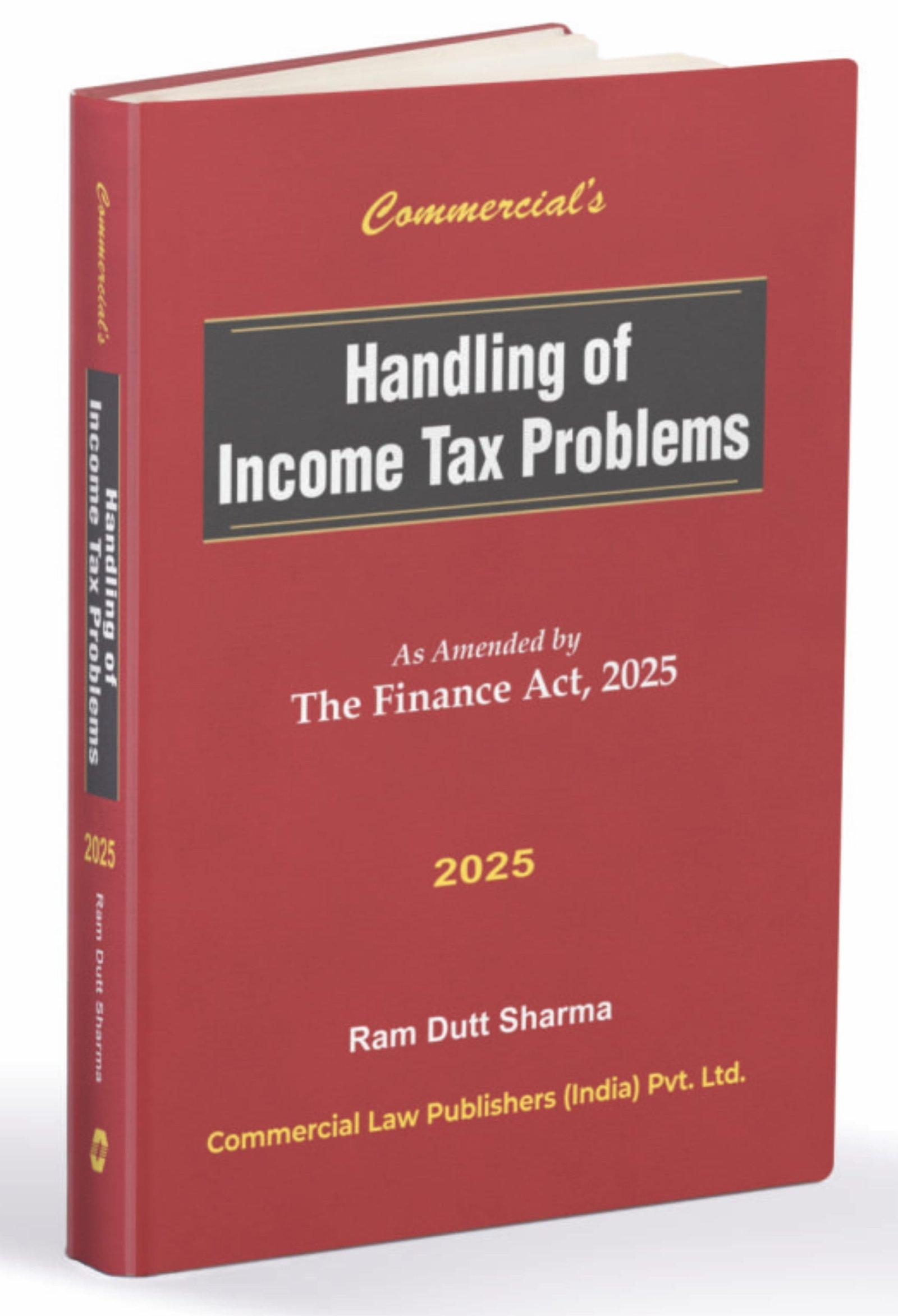
Commercial Handling of Income Tax Problems By Ram Dutt Sharma Edition April 2025
by Ram Dutt Sharma
₹745₹995

Commercial National Company Law Tribunal (NCLT) & National Company Law Appellate Tribunal (NCLAT) By Prachi Navneet Wazalwar Edition June 2025
by Prachi Navneet Wazalwar
₹2305₹3295

Taxmann Management Accounting with Excel Applications By C.P. Gupta, Vidisha Garg Edition June 2025
by Amit Kumar Singh
₹515₹645
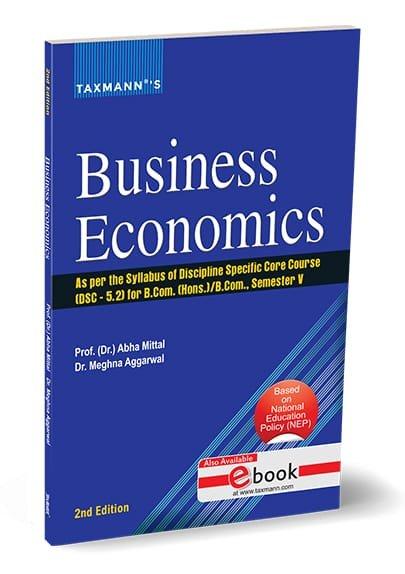
Taxmann Business Economics By Abha Mittal, Meghna Aggarwal Edition June 2025
by Amit Kumar Singh
₹420₹525
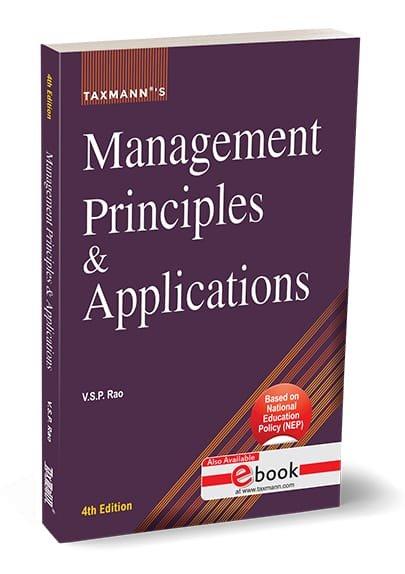
Taxmann Management Principles & Applications By V.S.P. Rao Edition June 2025
by Amit Kumar Singh
₹580₹725
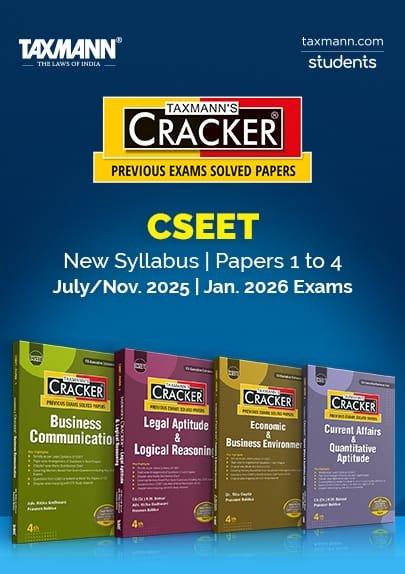
CSEET Combo Papers 1 to 4 Cracker By Ritika Godhwani July / Nov 25 & Jan 26 Exam
by Ritika Godhwani
₹1225₹1490

Bharat Police Powers By Sanjay Kumar Jain & Viplav Kumar Choudhry Edition June 2025
by Sanjay Kumar Jain
₹520₹695